
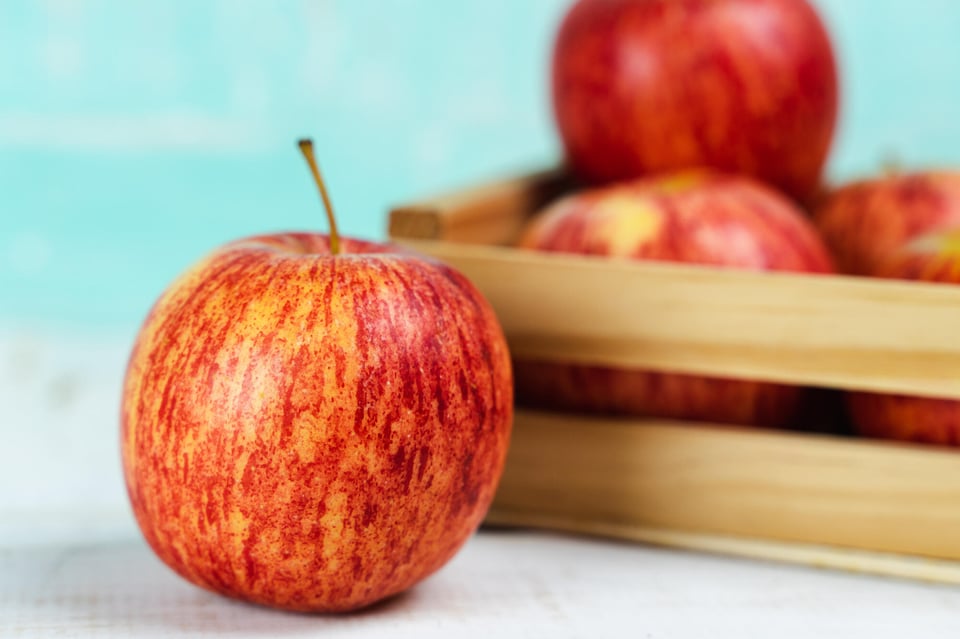
Digestive comfort and steady energy often become bigger concerns as people grow older, especially for families in Roanoke, where many seniors enjoy an active lifestyle surrounded by the Blue Ridge Mountains. Many families look for simple nutrition changes that help loved ones stay comfortable and energized, and adding high-fiber fruits, such as apples and oranges, to daily meals is an easy way to start.
Fiber supports healthy digestion and helps maintain consistent energy levels. Fruits provide fiber along with hydration and nutrients, making them easy to include in daily routines. In this guide, we explain why fiber matters for seniors and how supportive routines help maintain healthy eating habits and wellbeing.
Why Fiber Matters More as We Age
Digestive systems naturally slow down with age. Seniors may experience irregular digestion or discomfort if fiber intake drops or meals become inconsistent.
Senior gut health improves when daily meals include enough fiber and fluids. Fiber helps food move smoothly through the digestive system, reducing discomfort and supporting regularity. Good digestion also helps the body absorb nutrients more effectively, which supports overall strength and daily comfort.
When digestion improves, energy levels often feel steadier throughout the day. Many seniors also find that improved digestive comfort helps them stay socially active and more confident in daily routines. Digestive support foods become especially important when appetite or meal habits change later in life.
How High-Fiber Fruits Support Digestion and Energy
Fruits are one of the easiest ways to improve fiber intake without changing eating habits dramatically. Many fruits provide both soluble and insoluble fiber, helping digestion stay balanced.
Fiber and energy are closely connected. When digestion moves steadily, the body maintains better energy levels rather than experiencing sharp drops after meals. Fruits also provide vitamins, hydration, and antioxidants that help support immune health and recovery.
Fruit for aging wellness works best when eaten regularly rather than occasionally. Adding fruit to breakfast, snacks, or desserts can make digestion feel smoother while helping seniors stay active and comfortable throughout the day. Even small daily additions can gradually improve digestive habits over time.
Best High Fiber Fruits Seniors Can Enjoy Daily
Many fruits offer gentle digestive support and are easy for seniors to enjoy. Soft textures and natural sweetness also make them appealing choices, especially for those with reduced appetite.
Some helpful options include:
- Pears
- Apples
- Raspberries
- Blueberries
- Oranges
These fruits provide digestive support foods while also serving as healthy snacks for seniors. Many can be eaten fresh, sliced, or mixed into yogurt, oatmeal, or cereal for added variety.
Choosing fruits that are easy to chew or prepare helps seniors enjoy them more consistently. Frozen berries or pre-sliced fruit options can also make preparation easier. Regular intake supports digestion, hydration, and contributes to steady daily energy levels.
Easy Ways Seniors Can Add More Fiber to Meals
Adding fruit does not require complicated changes. Small adjustments during meals or snack times can make a big difference for digestion and energy.
Simple ideas include:
- Adding fruit to breakfast
- Using fruit for snacks
- Mixing fruit into yogurt
- Blending fruit smoothies
- Serving fruit with dessert
Healthy snacks for seniors often include fruit because it feels light while still providing nutrients. Routine meal schedules also help senior gut health by keeping digestion predictable and reducing skipped meals.
Communities offering consistent meal schedules make it easier for residents to maintain these healthy patterns without worrying about shopping or meal preparation. Shared dining also encourages seniors to eat regularly while enjoying social interaction.
Supporting Digestive Health in Senior Living Communities
Good nutrition works best when paired with structure and social connection. Senior living communities provide consistent routines that encourage healthier eating habits and emotional wellness.
Families researching assisted living in Roanoke, VA, often look for environments where meals are enjoyable and predictable. Regular dining schedules help residents maintain digestion and energy levels more easily.
At TerraBella Pheasant Ridge, residents experience supportive senior living in Roanoke, VA, with routines that include engaging activities, structured dining, and personalized assistance when needed. Memory care Roanoke VA services also help residents maintain comfortable routines that support both digestion and overall wellbeing.
Social dining and daily engagement help residents eat regularly while enjoying meaningful connections in a welcoming environment. These routines often make maintaining healthy eating habits easier than living alone.
Frequently Asked Questions
What Fruits Help Seniors With Digestion?
Fruits rich in fiber, such as pears, apples, berries, and oranges, support digestion by helping food move comfortably through the digestive system. These digestive support foods also provide hydration and nutrients, making them ideal additions to daily meals or snacks for older adults.
How Much Fiber Do Seniors Need Daily?
Most seniors benefit from around 21 to 30 grams of fiber per day, depending on age and dietary needs. Gradually increasing fiber intake while maintaining hydration helps support senior gut health and prevents digestive discomfort from sudden dietary changes.
Can Seniors Eat Too Much Fiber?
Suddenly adding large amounts of fiber may cause bloating or discomfort. Fiber intake should increase gradually while drinking enough water each day. Balanced meals that include fruit, vegetables, and whole grains typically provide appropriate fiber without causing digestive problems.
What Snacks Help Digestion in Older Adults?
Healthy snacks for seniors that support digestion include fresh fruit, yogurt with berries, sliced apples, or fruit smoothies. These options provide fiber while remaining easy to eat and gentle on the stomach, making them good daily choices.
Why Does Fiber Help Energy Levels?
Fiber slows digestion slightly, helping the body release energy steadily rather than all at once. This steadier digestion supports consistent energy, helps prevent energy crashes, and allows seniors to stay active and comfortable throughout the day.
How High-Fiber Fruits Support Comfortable Senior Living
Supporting digestion and energy requires both good nutrition and a steady daily routine. High-fiber fruits help seniors maintain digestive comfort, while structured meal schedules and supportive environments encourage consistent healthy habits.
At TerraBella Pheasant Ridge, residents enjoy maintenance-free living with restaurant-style dining and engaging programs that support overall well-being. Contact us and learn more about how supportive community living and healthy routines help seniors remain active, comfortable, and socially connected each day while enjoying consistent nutrition and daily engagement.