
Understanding the stages of coronary artery disease early can help seniors notice patterns, ask better questions, and build coronary disease awareness that supports smarter day-to-day choices. Heart concerns are common in later life.
The American Heart Association reports that among adults ages 60 to 79, coronary heart disease affected about 22% of males and 13.4% of females in a recent national survey.
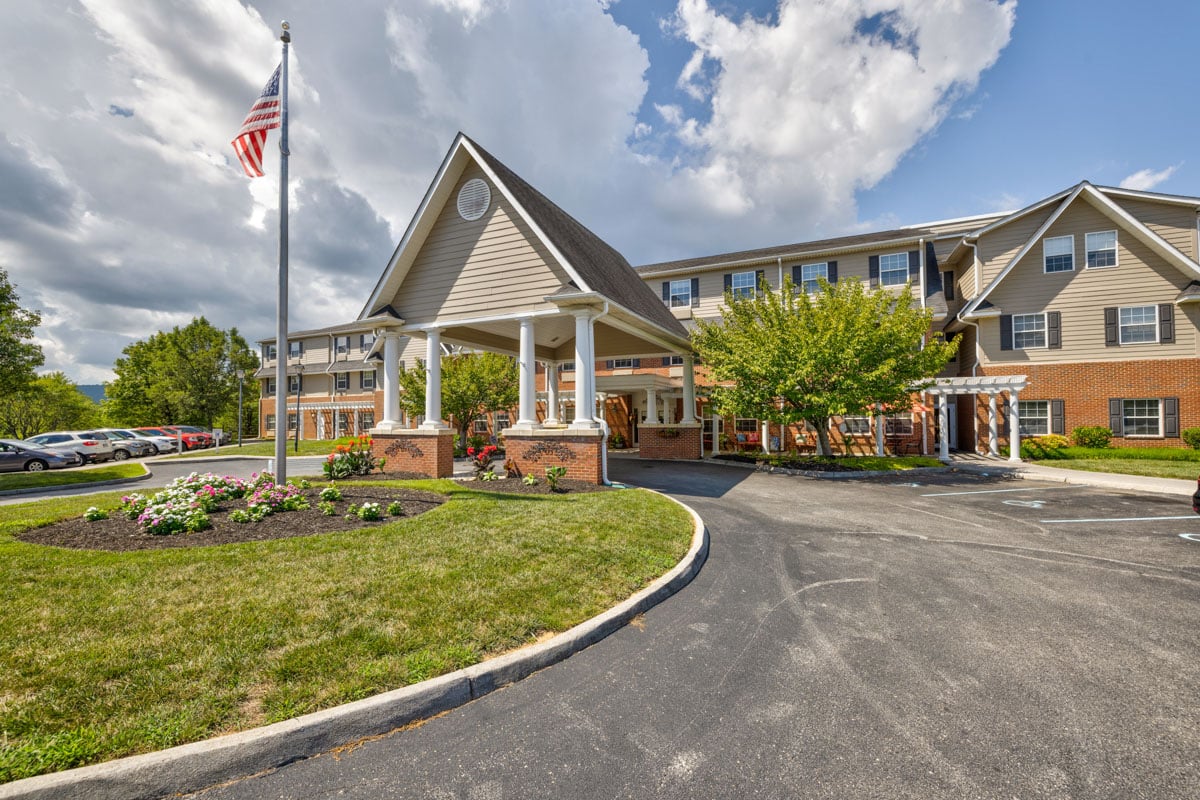
We also know that where you live can make healthy routines feel easier to sustain. TerraBella Pheasant Ridge in Roanoke, VA, a scenic mountain valley in the Appalachian region, helps each resident live their best and most active life. With activities, social connection, and rejuvenating grounds, we offer a pace and way of life that could help you keep your ticker in great shape.
What Is the Earliest Stage of Coronary Artery Disease?
The earliest stages of coronary heart disease are usually silent. Many people have plaque building up gradually in the arteries long before there are clear warning signs. MedlinePlus explains that coronary artery disease develops when the arteries that supply the heart become hardened and narrowed due to plaque buildup, often called atherosclerosis.
Understanding this process is critical to maintaining good heart health in aging. The goal is not to self-diagnose. It is to recognize early changes that would otherwise be easily missed.
Many seniors focus on building steady habits and staying engaged because the small choices of everyday life are often the easiest ones to keep long-term. This kind of mindset is a practical form of preventive senior care -- a combination of proactive lifestyle attention alongside guidance from your personal healthcare professionals.
How Quickly Does Coronary Artery Disease Progress?
Coronary artery disease progression is different for everyone. The American Heart Association describes atherosclerosis as a slow progression that may start in childhood. Over time, it can gradually get worse.
Stages of Coronary Artery Disease in Simple Terms
Instead of thinking of it as one moment where everything changes, it can help to picture a few practical stages. MedlinePlus mentions the following progression:
- Early buildup: Plaque begins to collect, and arteries start to lose flexibility, but this stage often has no obvious symptoms.
- More narrowing over time: Blood flow can become more limited, especially during exertion, as plaque grows and hardens.
- Symptoms become easier to notice: Some people begin noticing signs like chest discomfort, unusual fatigue, or being winded more easily than before, especially with activity.
- Higher-risk events: If plaque becomes unstable or a blockage becomes severe, the risk of serious events rises.
What Can Make Progression Feel Faster
Many factors play a role, including age, family history, and lifestyle patterns. Staying consistent with everyday routines is one reason seniors often look for steady structure and supportive environments. Senior cardiovascular tips can be surprisingly simple, and may include:
- Keeping meals steady and balanced
- Moving in ways that feel doable and enjoyable
- Building social connections so stress does not quietly take over daily life
This is also why assisted living wellness activities and amenities can be helpful for some seniors, as they make healthy habits easier to repeat consistently.
Can You Still Live a Long Life With Coronary Artery Disease?
Yes. Many seniors live full lives while managing coronary artery disease, especially when they focus on routines that support energy, confidence, and quality of life. The key is staying engaged with your personal healthcare professionals and keeping daily habits realistic and consistent.
How Senior Living Helps
From a lifestyle perspective, a senior living community can make the day feel less stressful because meals, activities, and opportunities to connect are built in. At TerraBella Pheasant Ridge, residents can make healthy choices in our restaurant-style dining room with table service. There's no need to go shopping or cook, making it easier to make consistent, healthy choices.
We also offer daily activities, live entertainment, and senior-specific wellness classes, which support heart health in aging through an active, socially connected lifestyle.
Frequently Asked Questions
What Does Coronary Heart Disease Awareness Look Like in Daily Life?
It's all about meaningful habits that you can actually stick to. That could mean taking short walks, joining an exercise class, or going on an outing that involves walking. Then pay attention to how you feel after each one.
If you notice symptoms during or after these healthy activities, don't panic, but don't ignore them. Talk to your doctor as soon as possible for a professional diagnosis and advice.
How Can Families Talk About Heart Concerns Without Making It Scary?
Instead of leading with worst-case outcomes, start with what feels true right now. Maybe you've noticed that walking has become harder, stress has been higher, or sleep has been inconsistent for your loved one. Then let that naturally move on to getting those concerns checked out.
In some cases, this may move into a conversation about senior living, which gives older adults practical support, easier meals, more social time, and regular exercise. This makes preventive senior care feel like a normal part of aging, not a crisis response.
What Should Seniors Look for in a Community When Cardiac Wellness Is a Priority?
Focus on the lifestyle features that make consistency easy. Look for meals that support variety and balance, activities that get people moving in enjoyable ways, and social opportunities that help people feel connected.
Also, notice the environment. Outdoor spaces matter for many seniors because fresh air and short walks can become an effortless part of the day. When those pieces are built in, assisted living wellness feels natural rather than forced, and it supports long-term routines that align with senior cardiovascular tips.
Choose an Active Retirement at TerraBella Pheasant Ridge
If learning about the stages of coronary artery disease has you thinking more seriously about daily routines, we would love to help you explore what supportive living can look like in real life.
Aside from our activities and amenities, what sets us apart at TerraBella Pheasant Ridge is our Veteran Savings Program, which is one way we make quality senior living feel more accessible for the people who have served.
Schedule a tour to learn more today.