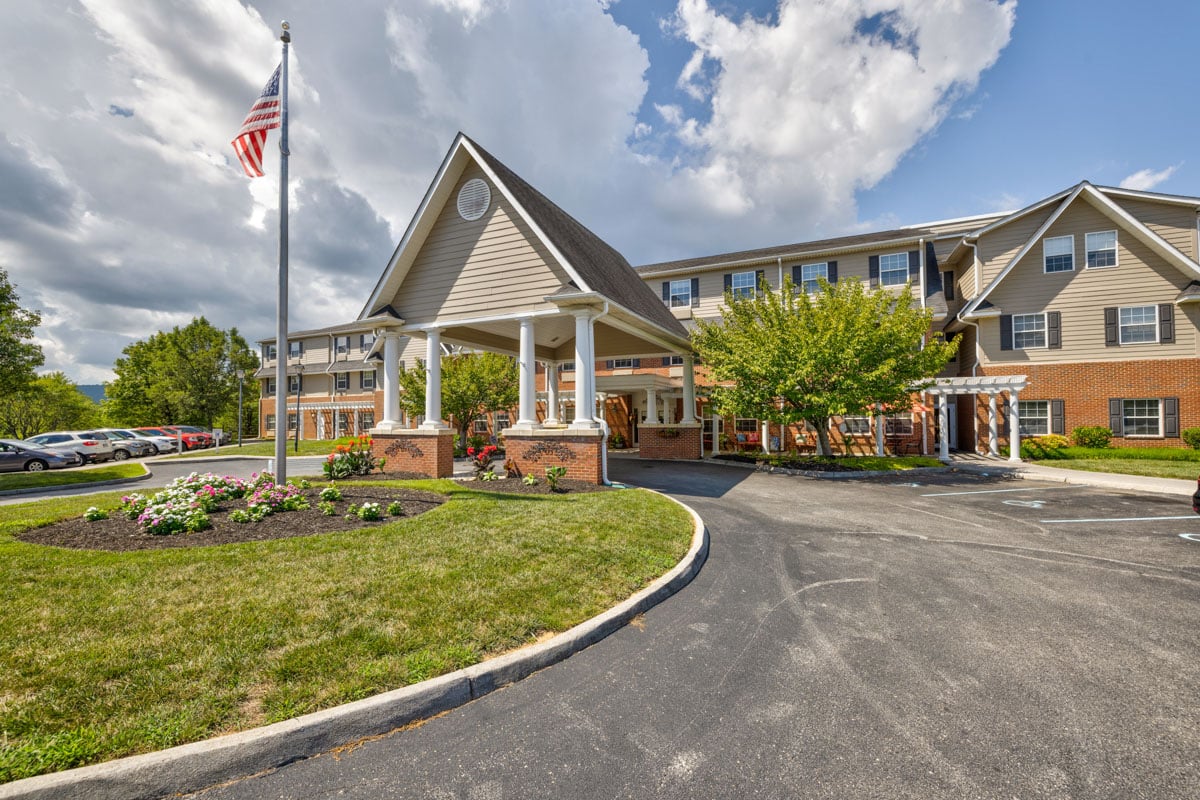

The wonderful staff at TerraBella Pheasant Ridge responds with calm steps the moment memory begins to fade. Caregivers offer steady guidance right away so seniors feel secure, including helping with daily tasks and planning familiar routines.
Memory changes can bring worry for families and confusion for older adults in Roanoke, VA. Gentle support helps everyone feel more at ease. Professional teams offer warm reassurance and lead seniors through each day with dignity.
Families see how thoughtful actions build emotional trust in senior living. Read on to learn more about what to expect at TerraBella Pheasant Ridge.
How Do Caregivers Know When Memory Loss Is Changing?
Caregivers observe small shifts long before they turn into major concerns. The following often appear first:
- Repeating questions
- Misplacing items
- Confusion about time
Seniors may feel unsure in familiar spaces or lose track of steps in a simple task. Staff note these signs and adjust care early.
Understanding early behaviors is essential for Alzheimer's care response. Gentle reminders, simple directions, and calm reassurance reduce frustration.
Seniors benefit when routines stay steady, predictable, and supported by patient guidance. Team members also communicate closely with families so they stay informed.
Daily support matters for seniors, especially when memory fades. Caregivers provide structure with the following:
- Mealtimes
- Activities
- Personal tasks
Supportive scheduling helps reduce stress. Clear cues and friendly coaching help seniors stay engaged.
What Steps Help Seniors Feel Safe When Memory Declines?
Comfort begins with consistent routines. Caregivers rely on dementia routines that staff create and follow every day.
Seniors relax when staff members greet them with familiar phrases and warm smiles. Repetition helps reduce fear and increase confidence.
Safety also comes from thoughtful interactions. Short statements, slow pacing, and gentle gestures support understanding.
Plenty of seniors respond well to simple choices. A "yes or no" question often feels easier than an open-ended one.
Emotional needs matter as much as cognitive ones. Staff listen with patience and steady attention.
Small moments of reassurance help build emotional trust in senior living. Seniors often feel calmer when they sense respect and kindness around them.
Environmental cues support safety as well. Soft lighting, uncluttered spaces, and helpful signs guide seniors through the day.
Familiar objects like nostalgic family photos or a meaningful blanket can bring much-needed comfort. Gentle encouragement allows seniors to move at their own pace.
Activities That Stimulate and Enhance Memory
Simple activities can help stimulate memory each day. Music familiar from earlier years often encourages recall.
Word games and picture cards support focus. Gentle movement, such as short walks, boosts mental clarity.
Creative tasks like drawing or sorting items also strengthen engagement and help seniors stay connected to daily moments.
What Behaviors Do Staff Focus on Most?
Staff focus on behaviors that show stress or fear. Wandering, restlessness, or withdrawal can signal deeper concerns.
Caregivers respond with empathy and skill. Calm voices, slow movements, and reassuring touch can ease tension.
Numerous seniors struggle with changes in everyday steps. Choosing clothing or remembering bathing routines can feel overwhelming.
Staff offer a helping hand while protecting independence where possible. Encouragement helps seniors stay engaged but not pressured.
Connections matter deeply. Staff build trust through simple conversation and shared moments.
Friendly presence reassures seniors even during confused moments. Memory care in Roanoke, VA, often emphasizes relationship-centered support for this reason.
Cueing, guiding, and redirection help keep each day structured. Staff might suggest a favorite activity or offer a quiet space when emotions rise.
Positive reinforcement strengthens confidence. Seniors often respond well to a steady rhythm in their day.
Families gain peace knowing that caregivers tailor support to each individual. Personalized routines and warm interactions help seniors feel grounded.
Alzheimer's care response becomes more effective when handled with kindness and consistency.
Frequently Asked Questions
How Do Caregivers Keep Seniors Engaged During Memory Changes?
Caregivers use simple activities, calm conversation, music, and sensory items to support engagement. Tasks stay short and easy to follow.
Are Memory Declines the Same for All Seniors?
Memory changes look different for each person. Some seniors lose short-term memory first. Others struggle with organizing tasks or recognizing familiar spaces.
How Often Do Routines Change in a Memory Support Setting?
Routines stay steady whenever possible because predictability reduces stress. Adjustments happen only when seniors benefit from them.
What Role Does Family Play When Memory Loss Increases?
Family members provide important background, preferences, and history. Caregivers use this information to shape daily routines and comfort measures. Staying in touch also helps families understand progress and changes.
How Do Staff Handle Moments of Fear or Agitation?
Calm voices, slow pacing, and gentle redirection help ease fear. Caregivers offer reassurance and guide seniors to quiet spaces. Familiar objects or comforting activities often help settle emotions.
Can Seniors Still Make Choices When Memory Declines?
Seniors can still make all kinds of choices with the right support. Caregivers offer simple, clear options. Choice helps maintain dignity and independence.
How Does Daily Memory Support Work?
Daily memory support includes cueing, step-by-step guidance, conversation, and emotional reassurance. Staff assist with meals, hygiene, dressing, and social moments. Predictable structure helps seniors feel grounded.
Do Memory Routines Help Reduce Confusion?
Routines greatly reduce confusion because they create familiarity. Repeated steps help seniors feel secure. Caregivers rely on dementia routines that staff establish to maintain calm and order.
What Makes TerraBella Pheasant Ridge a Strong Option for Memory Support?
TerraBella Pheasant Ridge offers trained staff, kind interactions, and consistent routines. Seniors receive warm guidance through each part of the day.
Personalized support helps maintain comfort and confidence.
It's Time to Call TerraBella Pheasant Ridge Home
Support for fading memory begins with patient steps and thoughtful interaction. Caregivers understand how confusion affects emotional well-being. However, confidence grows through routine, familiarity, and warm encouragement.
Families trust TerraBella Pheasant Ridge because of our steady commitment to compassionate care. Seniors gain comfort from resort-style amenities and a robust social calendar. They can choose from game nights, movie screenings, expert-led wellness classes, and much more.
Residents also praise our pet-friendly accommodations. Be sure to schedule a tour of our amazing senior community today.