
Brain fog in seniors often comes from vitamin deficiencies, especially B12 and D, not just aging. Testing can restore clarity and focus.
Difficulties like memory decline, brain fog, excessive fatigue, and low mood are often associated with aging. True, sometimes these things do come with old age, but there are other causes as well.
Just because you're retired, it doesn't mean that every health problem comes down to your age. And it certainly doesn't mean that you should simply accept them.
Knowing what vitamins help with brain fog can make a difference. Multivitamins can sometimes make a world of difference.
By correcting vitamin deficiencies with appropriate vitamins, seniors can regain focus and clarity. That's because the source of their fatigue and sluggishness isn't their age; instead, it's a vitamin deficiency.
Low levels of vitamins like B12 or D are linked to all kinds of health troubles. Addressing vitamin deficiencies through diet and supplements can dramatically improve senior brain health in Roanoke, VA.
Crucial Memory Support Vitamins: Vitamin B-12
Vitamin B12 is essential for good mouth health and consistent energy production. Vitamin B12 deficiency is particularly common in seniors because, as we age, the stomach produces less acid.
Stomach acid is key to the effective absorption of vitamin B12. Without enough B12, seniors might experience the following symptoms:
- Fatigue
- Weakness
- Poor balance
- Memory issues
Often, older adults experiencing these symptoms claim they're experiencing brain fog or mental sluggishness. Older adults might need more than the standard amount of vitamin B12 because of their reduced ability to absorb it through the stomach.
Dietary changes are sometimes enough. Seniors should eat enough of the following:
- Poultry
- Fish
- Meat
- Dairy
In cases where seniors can't supplement the deficiency with a diet, it's recommended that seniors visit their doctor, who can recommend an appropriate supplement or possibly a vitamin B12 injection.
Mental Energy Boosters: Vitamin D
Vitamin D, also sometimes known as the sunshine vitamin, is well known for being beneficial for bone health, birth, and as an important cognitive supplement. According to the Mayo Clinic, people with low levels of vitamin D in their blood tend to have poorer thinking and learning capacity.
Vitamin D receptors are found throughout the brain, and vitamin D helps protect the brain and boost focus and clarity.
A lack of vitamin D can also negatively impact sleep quality and mood. So, vitamin D can potentially boost concentration and energy by improving sleep quality and reducing negative feelings and emotions. Food sources containing vitamin D that can help alleviate deficiency include the following:
- Fatty fish like salmon, mackerel, and sardines
- Fortified dairy products
- Plant milk
- Egg yolks
Sometimes seniors struggle to get the required vitamin D from food. If you suspect this, contact your doctor, and they'll be able to diagnose the issue with a simple blood test.
What Vitamins Help With Brain Fog? Other Important Cognitive Supplements
Beyond vitamin B12 and vitamin D, there are some other vitamins and nutrients worth mentioning for senior brain clarity. These are the following:
- B-Complex Vitamins: These vitamins help your brain send messages and stay healthy, and you can get them from foods like whole grains, beans, and vegetables.
- Omega-3 Fatty Acids: Omega-3s from fish help build brain cells and may improve memory, especially in older adults.
- Antioxidants (Vitamins C and E): These vitamins protect brain cells from damage and are found in fruits, vegetables, nuts, and plant-based foods.
A deficiency in any one of these could cause issues with aging and clarity of thought. But you shouldn't just start taking supplements based on a hunch. Always talk to your doctor first before starting any vitamins.
Frequently Asked Questions
What Is Seasonal Affective Disorder?
Yes, seasonal affective disorder, or SAD, is a distinct subtype of major depressive disorder recognized by the American Psychiatric Association. While not always true, sometimes this disorder can be caused by low vitamin D levels, and often the solution for those suffering from this disorder is to get more sunlight during the cold, dark months when depression starts to take hold.
Usually, getting out in sunlight is all that's necessary to alleviate the worst of the symptoms. For seniors with mobility problems limiting their ability to go outside, offering those with more serious SAD a UV lamp to use periodically could help.
In some cases, a regimen of vitamin D supplements is needed. Seniors shouldn't take vitamin D without discussing the doses with a doctor first.
The worst months for SAD tend to be January and February because that's during the peak of winter when the festive season is over, and there's less social contact and outdoor activity.
What are the Potential Risks of Taking Supplements
Taking vitamins can be healthy when your body is deficient, but taking them in the wrong way or taking them in excess can cause more problems than they solve. Taking too much of certain vitamins can be harmful to health.
For example, vitamins like vitamin E stay in the body for a long time, and over time, they can build up and cause serious health issues, particularly if you were mistaken and you didn't actually have a deficiency.
Doctors are the only ones who are capable of accurately diagnosing a vitamin deficiency.Just because you seem to match up to the symptoms, it doesn't mean that you've definitively found the cause.
Now You Know What Vitamins Help With Brain Fog
Brain fog can be frustrating, and seniors shouldn't accept it as part of normal aging without considering other factors first. Now you know what vitamins help with brain fog, you can consider potential deficiencies. Seniors should try changing their diet first, as often eating the right food is all it takes to address a vitamin imbalance.
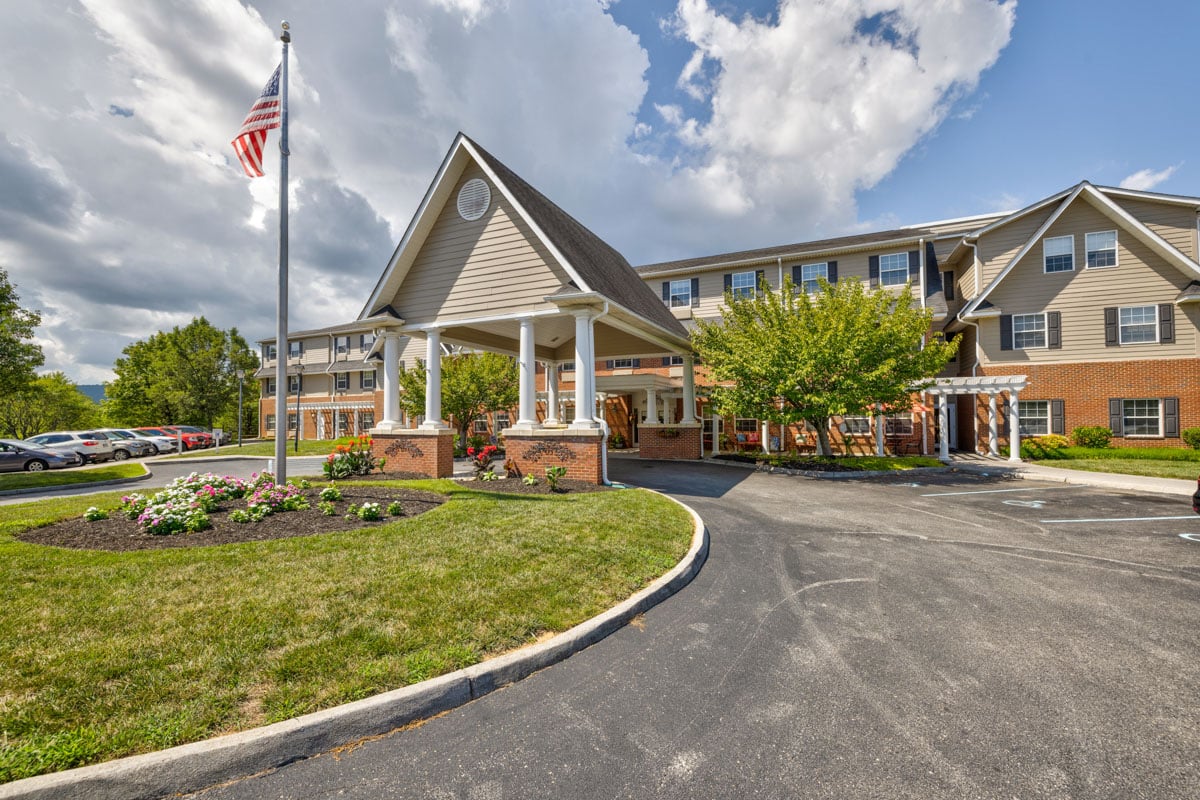
Here at TerraBella Pheasant Ridge, we help seniors achieve great health by providing nutritious food, an enriching environment, and plenty of opportunities for physical exercise. We offer three chef-prepared meals per day in a restaurant-style setting.
If you'd like to see the other amenities we have to offer or learn more about our community, we encourage you to book a tour. Contact us today to schedule a date.